
Take a quick inventory of your body right now. Is your jaw clenched? Are your shoulders acting like earrings? Is your lower back faintly aching, and are you leaning so close to your screen that you’re practically breathing on it?
Most of us spend our workdays in a state of physical lockdown. We treat our bodies like mere transport vehicles for our brains, driving them from the bed to the desk to the couch. But this constant, stagnant tension is the secret culprit behind that deep, bone-weary mental fatigue we feel by Friday.
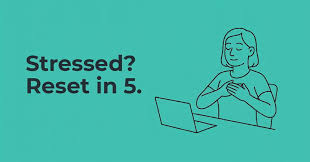
The Cost of the “Screen Hunch”
When we sit hunched over a laptop for hours, we aren’t just risking a stiff muscle or two. We are triggering what physical therapists call tech neck, which strains the spine and forces the lungs into a shallow breathing pattern.
This shallow breathing signals to your brain that you are under threat, keeping you trapped in a low-grade, chronic “fight or flight” mode. No wonder you feel exhausted; your body thinks it’s been running away from a predator all afternoon. True burnout recovery doesn’t just happen on vacation—it starts right at your desk.
Small Tweaks, Big Relief
You don’t need an expensive standing desk or a radical lifestyle overhaul to fix this. Better desk ergonomics and physical comfort come down to micro-habits.
Try implementing these 60-second resets throughout your day to support your nervous system regulation:
The 20-20-20 Rule: Every 20 minutes, look at something 20 feet away for 20 seconds. This relaxes the ciliary muscles in your eyes and immediately reduces brain strain.
The Shoulder Drop: Inhale deeply, shrug your shoulders all the way up to your ears, hold for three seconds, and then let them drop completely. Feel the immediate release of trapped tension.
The Sternal Lift: Imagine a string attached to the center of your chest pulling gently upward toward the ceiling. This automatically corrects your posture without making your back feel stiff or forced.
Honoring the Physical Self
Your mind can only be as sharp as your body feels supported. By taking just a minute every hour to check in, stretch out, and breathe deeply, you bridge the gap between mental drive and physical well-being. You aren’t a machine built to stay static—you’re a living system designed to move.
